


Understand Who Your Ideal Home Care Clients Are
Before you spend money on marketing, you need to understand who your potential clients are. A successful home care service does not try to speak to everyone. It focuses on the people most likely to need support and makes the message clear for them.
Typical clients may include adult children who need help for elderly parents. They may also include older people living alone. Family caregivers who need respite may be clients too. Private-pay clients may be included.
People who need daily living support may also be clients. Some may need companionship. Others may need help with meals, errands, personal routines, medication reminders, or safe movement around the home.
It is also important to explain the difference between non-medical care and medical home care. Non-medical care usually includes companionship, meal preparation, errands, light household help, personal support, and daily routine assistance. Medical home care usually involves clinical tasks carried out by nurses or regulated healthcare professionals.
If you want to Find private care clients, your message must focus on the real problems families face. For example, instead of only saying, “We provide home care.”
Explain that you help older adults stay independent. Say you reduce loneliness and make daily life safer at home. Add that you support family caregivers too. A clear understanding of your audience helps you grow a stronger client base. It also helps you create marketing that feels relevant, practical, and trustworthy.
Optimize Your Google Business Profile
Google Business Profile is one of the most important tools for any local home care agency. When someone searches for care near them, your Google profile can help your business appear in a local search result and on Google Maps.
Your profile should include your correct business name, phone number, address, and website link. It should also list your service areas, opening hours, and service categories. Add clear services like companion care, respite care, personal care, elderly support, private care, or domiciliary care. Include only those that fit your business.
To build a stronger online presence, add real photos. These could include team photos, office photos, branded materials, community activity photos, or professional images that reflect your service. Families are more likely to trust a business that looks active and genuine.
You should also use Google posts regularly. Share short updates, care tips, service reminders, community news, and helpful information for family caregivers. A quiet or incomplete profile can make families unsure, while an active profile shows professionalism.
Reviews are especially important. Families looking for high quality care often read reviews before they call. Encourage happy clients and family members to leave honest feedback. A well-optimised Google Business Profile can help your business become more visible in the local community and attract new clients without depending only on paid advertising.
Build Local SEO Pages for Each Service Area
If your home care agency serves more than one town, city, or neighbourhood, local SEO pages can help. They can help your website show up in local area searches. These pages help families find your home care service when they search for care in a specific location.
Useful page ideas include:
- Non-Medical Home Care in [City]
- Companion Care in [City]
- Respite Care in [City]
- Personal Care Assistance in [City]
- Senior Home Care Services in [City]
- Private Care Services in [City]
Each location page should be useful and specific. Do not simply copy the same text and change the city name. Instead, include the service details, area name, who the service is for, local contact information, reviews, FAQs, and a strong call-to-action.
A good local page should answer questions such as: What support do you provide? Who is the service suitable for? Which areas do you cover? How can a family book a consultation? Why should they trust your agency?
These pages can help your website appear in a local search result and bring more clients for your home care from the areas you want to serve. Good local SEO also helps you attract new clients who are actively searching for care support.
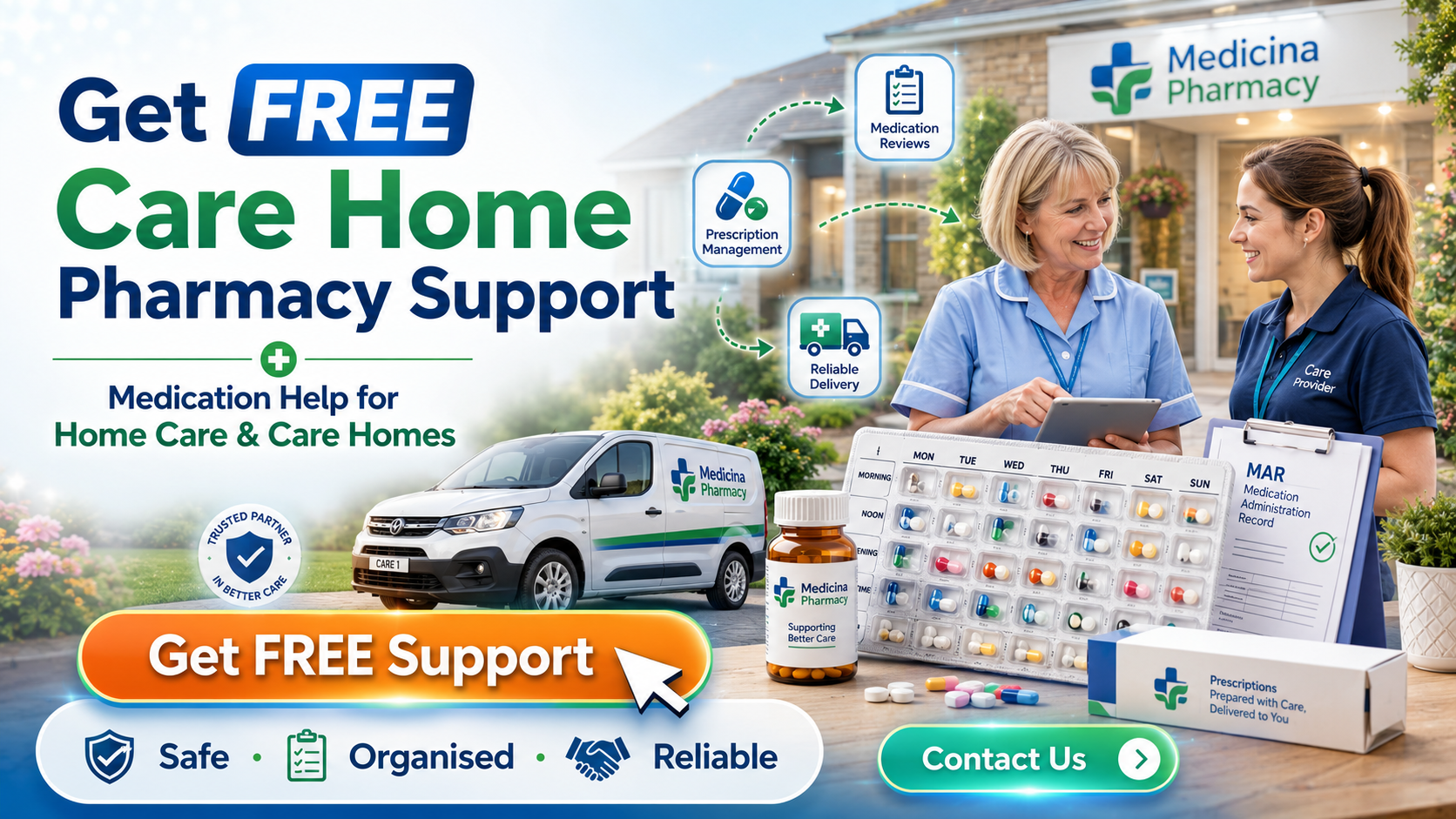
Get Free Medication Pharmacy Support, Free Medication Management and Free Training
Speak with Medicina Pharmacy for care home support, medication guidance, training enquiries, and equipment support.
Call: 01604345869List Your Agency on Home Care Lead-Generation Sites
Lead generation sites can help a new care provider receive enquiries more quickly. These websites are often used by families who are already searching for care, which means they can be useful when your own website and local SEO are still growing.
Examples may include care directories, senior support platforms, local business directories, and comparison websites. These platforms can help you reach potential clients who may not yet know your business name.
However, there are limitations. A Non medical home care lead from a directory may be shared with several agencies. Some leads may be expensive. Some families may only be comparing prices. Others may not be ready to start care immediately.
For this reason, lead gen sites should be used as part of a wider marketing plan. They can bring enquiries, but your long-term growth should also include Google visibility, referrals, reviews, community relationships, and a strong website.
If your goal is to Find private care clients, respond to every enquiry quickly. Call the family, ask about their care needs, explain your services clearly, and follow up. A lead is only valuable if you have a process to turn it into a consultation or client.
Build Referral Partnerships with Local Professionals
Referrals are one of the strongest ways to grow a home care business. Families often trust recommendations from people and organisations they already know. That is why local referral partnerships can help you build a reliable client base.
Good referral partners may include healthcare professionals and hospitals. They may also include discharge planners and GP surgeries. Other partners include rehabilitation centres and assisted living facilities. Senior centres, pharmacies, and home health agencies are also helpful. Hospice providers, elder law attorneys, and faith groups may refer clients too. Community organisations can also be strong partners.
When approaching referral partners, focus on building trust first. Introduce your home care agency, explain who you support, and make it clear how you provide high quality care. Bring simple printed information that explains your services, service areas, contact details, and referral process.
Professionals will only refer families when they believe your agency is safe, reliable, and responsive. They need to know that you communicate clearly, handle enquiries properly, and treat clients with dignity.
Stay in touch with referral partners. Visit regularly, send updates, invite them to community events, and thank them for referrals. Strong local relationships can become one of the most valuable sources of new clients in your local community.
Ask Happy Clients for Reviews
Reviews are essential because families want proof before choosing a care provider. A home care agency with strong reviews looks more trustworthy than one with little or no feedback.
Ask happy clients and family to leave reviews on Google Business Profile, Facebook, Yelp, care directories, and your website. Reviews improve your online presence and help attract new clients who are comparing several providers.
You can use this simple review request message:
“Thank you for trusting us with your care. If you are happy with our service, we would really appreciate a short review. It helps other families find reliable home care support.”
The best time to ask is after a positive experience. This could be after your first successful month of care. It could be after a family member gives good feedback. It could be after your team solves a problem well.
Reviews help potential clients feel safer about contacting you. They also support your reputation for high quality care and make your agency look more established online.
Use Google Ads for High-Intent Leads
Google ads can help a new home care business get enquiries faster. People searching for care on Google often have a strong need and may be ready to speak with a provider soon.
Useful ad keywords include:
- home care agency near me
- non medical home care near me
- senior care near me
- companion care near me
- respite care near me
- private care services near me
- domiciliary care near me
A good advert should send visitors to a focused landing page. Do not send paid traffic to a weak page with little information. Your landing page should include your phone number, services, service areas, reviews, trust signals, and a clear booking or consultation CTA.
A Non medical home care lead from paid search can be valuable, but only if you respond quickly. Families may contact several agencies at once, so speed matters.
Google Ads can help attract new clients while your SEO, reviews, and referral network are still developing. Track your calls, forms, cost per lead, and which keywords bring real clients.
Use Facebook and Social Media to Reach Local Families
Social media helps your business stay visible to local families. Many adult children of older adults use Facebook and other platforms to ask for recommendations, research services, and follow local businesses.
Your content should show that your home care service is caring, reliable, and professional. Avoid only posting sales messages. Share helpful content that answers common questions and builds trust.
Good post ideas include signs your parent may need home care, benefits of companion care, how respite care helps family caregivers, senior safety tips, caregiver introduction posts, client review graphics, real team photos, and local community updates.
Social media also supports your wider online presence. When families see regular, helpful posts, they are more likely to remember your business when care is needed.
To attract new clients, post consistently, reply to comments, use local hashtags where helpful, and join relevant community groups carefully. The goal is to be visible, helpful, and trustworthy.
Create Flyers and Brochures for Local Outreach
Offline marketing still works well for care services because home care depends heavily on local trust. Flyers and brochures can help you reach people who may not be searching online.
You can distribute printed materials through pharmacies, clinics, churches, senior centres, libraries, community centres, community noticeboards, local health fairs, assisted living facilities, and a local newspaper.
Your flyer should explain your home care service clearly. Include your services, phone number, service areas, website, a short trust message, and a consultation CTA.
For example, your flyer could say: “Reliable support at home for older adults and families. Call today to arrange a free care consultation.”
Keep the design simple. Do not overload the flyer with too much text. Families should understand what you offer within a few seconds.
Printed materials can help you build visibility in the local community, support your client base, and attract new clients who prefer local recommendations and offline information.
Offer Free Educational Sessions in the Community
Free educational sessions can help your agency build authority and trust. Instead of only promoting your services, you provide useful guidance to older adults, families, and caregivers.
Good session topics include fall prevention at home, when to consider home care, how respite care helps family caregivers, how companionship supports seniors, how to choose a safe home care agency, and home safety tips for older adults.
These sessions can be held at churches, senior centres, libraries, pharmacies, community groups, and local events. You may also invite healthcare professionals to contribute where appropriate.
Educational sessions allow you to meet potential clients before they urgently need care. They also show that your agency cares about the local community and understands the challenges families face.
This type of outreach helps position your business as a trusted provider of high quality care. When families need a home care service, they are more likely to remember the agency that helped them first.
How to Get Private Care Clients UK
How to get private care clients UK is a common question for new and growing care providers. In the UK, private care clients often come through local SEO, Google Business Profile, referrals, word of mouth, directories, and community outreach.
To Find private care clients, your business needs to look professional and trustworthy. Your website should include clear service pages, reviews, service areas, contact details, FAQs, professional branding, and compliance information where relevant.
Trust is especially important in the UK private care market. Families want to know that their loved one will be treated with respect, dignity, and consistency. Your content should explain your care process, how enquiries are handled, how visits are arranged, and what makes your agency reliable.
Local relationships are also important. Build connections with pharmacies, community organisations, senior groups, care professionals, and local support services. These relationships help you become known in the local community and reach more potential clients.
A clear home care service offer, strong reviews, and fast response times will help you grow your private care client base over time.
How to Get Private Clients for Domiciliary Care
How to get private clients for domiciliary care depends on trust, local visibility, and clear communication. Domiciliary care clients need support in their own homes, so families need reassurance that your agency is dependable, safe, and professional.
Your home care agency should use local SEO pages, referral partnerships, Google reviews, community outreach, and clear service packages. Explain what your visits include, how care plans are created, how families can contact you, and how quickly you respond to enquiries.
If your business operates in Wales, care inspectorate wales may be relevant for compliance and credibility. Mention this naturally where appropriate, but avoid making legal claims unless the information has been checked by a qualified professional.
To reach potential clients, make your enquiry process simple. Families should be able to call, complete a form, or request a consultation without confusion.
A professional website, strong reviews, and evidence of high quality care can help your domiciliary care service stand out in a competitive market.
Create Client Contracts for Non-Medical Home Care Services
Non medical Home Care Client contracts are important because they help protect both the provider and the client. A clear contract sets expectations before care begins and reduces confusion later.
A contract for a home care service may include the service type, visit schedule, payment terms, cancellation policy, responsibilities, emergency contacts, service limitations, complaint process, and how care changes will be handled.
Clear contracts also make your home care agency look more professional. They show potential clients that your business is organised, transparent, and serious about delivering high quality care.
Before using any contract, speak with a qualified legal or compliance professional. Requirements may vary depending on your location, services, business model, and local regulations.
Contracts should not be treated as just paperwork. They are part of the trust-building process. Families feel more confident when they understand exactly what is included and what to expect.
Follow Up with Every Lead Quickly
Fast follow-up is one of the simplest ways to win more clients. Families often contact several providers at the same time. If your agency replies slowly, you may lose the enquiry to another home care business.
Every Non medical home care lead should be handled quickly. Answer calls when possible, return missed calls, reply to website forms, and respond to emails promptly.
Use a simple intake form to collect the person’s name, phone number, location, care needs, preferred start date, urgency, and decision-maker details. After the first conversation, send service information and explain the next step.
Follow up after consultations. Some potential clients need time to speak with other family members before making a decision. A polite follow-up can help turn enquiries into real clients for your home care.
If you want to attract new clients, do not let leads go cold. A spreadsheet or CRM can help you track every enquiry and follow-up task.
Build Trust on Your Website
Your website should make families feel safe, informed, and ready to contact you. A poor website can stop enquiries even when people need care.
Your online presence should include clear service pages, service areas, phone number, contact form, reviews, team photos, caregiver information, insurance or licensing details if applicable, FAQs, free consultation CTA, and a click-to-call button.
Each home care service page should explain what the service includes, who it is for, and how families can get started. Avoid vague claims. Be specific, warm, and practical.
Your home care agency should also include trust-building content such as testimonials, care values, staff training information, safety checks, and answers to common questions.
A strong website helps potential clients feel more confident. It also helps attract new clients from Google, social media, referrals, directories, and local outreach.
Families want to see evidence of high quality care before they call. Your website should provide that reassurance clearly.
Track Where Your Home Care Leads Come From
Tracking helps you understand which marketing channels are working. Without tracking, you may spend time and money on activities that do not bring real clients.
Record every Non medical home care lead and where it came from. Common sources include Google Business Profile calls, website forms, google ads, social media messages, lead gen sites, referrals, local events, and local newspaper adverts.
Use a spreadsheet or CRM to track the lead source, date, name, contact details, care need, location, follow-up status, consultation date, and whether the person became a client.
This helps you understand which channels are building your client base. You may discover that referrals bring fewer leads but better clients, while ads bring more enquiries but need stronger follow-up.
Tracking also helps improve your online presence and marketing decisions. Once you know what works, you can invest more time and budget into the channels that bring real clients.
30-Day Action Plan to Get More Home Care Clients
A simple 30-day plan can help you take action quickly. The goal is to attract new clients, improve visibility, and build a stronger client base.
Week 1: Improve Your Website and Google Profile
Update your website, contact details, Google Business Profile, service pages, service areas, photos, reviews, and trust signals. Make sure families can call you easily and understand what you offer.
Week 2: Build Directory and Social Visibility
Add your home care business to directories, lead generation sites, local citations, and social media platforms. Keep your business name, address, and phone number consistent everywhere.
Week 3: Contact Local Referral Partners
Reach out to healthcare professionals, assisted living facilities, pharmacies, senior centres, local community groups, elder law professionals, and other referral partners. Share clear information about your services and explain how you help families.
Week 4: Promote, Follow Up, and Track
Run google ads if your budget allows, post on social media, collect reviews, distribute flyers, follow up with every Non medical home care lead, and track your results.
This plan can help you Find private care clients, win more clients for your home care, and create a repeatable system for growth.
Frequently Asked Questions
1. How to get clients for care home?
To attract new clients, build trust in the local community, improve your Google profile, collect reviews, build referral partnerships, and list your home care agency on relevant lead generation sites.
2. How to find clients as a caregiver?
To Find private care clients, use referrals, social media, local networking, community groups, and word of mouth. Focus on building trust with potential clients and their families.
3. How to get clients quickly?
Use google ads, lead gen sites, and fast follow-up. A strong landing page and quick response can help turn a non medical home care lead into a consultation and help attract new clients.
4. Can I start a care agency from home?
You may be able to start a home care business from home, depending on your location, services, and regulations. You still need a professional home care agency setup, policies, insurance, and non medical Home Care Client contracts.
5. What is the easiest healthcare business to start?
The answer depends on your skills, budget, and local rules. Non-medical care may be simpler than medical home care, but every home care business still needs safe systems, reliable staff, and a clear home care service model.
6. How to qualify for domiciliary care?
Eligibility varies by location, care level, and assessment rules. If researching How to get private clients for domiciliary care, focus on trust, safe support, and high quality care. In Wales, care inspectorate wales may be relevant for regulated services.
7. How much does a carer get paid?
Carer pay varies by location, experience, employer, and care level. A home care service supporting private care clients should check current local pay expectations before setting rates or hiring staff.
8. How much does it cost to hire a full-time carer?
Costs vary depending on location, care needs, provider type, and hours required. Families looking for support for private care clients should compare providers carefully and choose high quality care, not only the lowest price.
9. Do carers still get $600?
Payment schemes and support rules can change. Potential clients and carers should check current local guidance or speak with a relevant professional. A home care service should avoid giving fixed figures unless the information has been recently verified.
Final Conclusion
Learning how to get clients for non medical home care business is about building trust, visibility, and a consistent follow-up system. A successful home care business should not rely on one marketing channel. The best results come from combining Google Business Profile, local SEO, reviews, referral partnerships, google ads, social media, lead generation sites, and local community outreach.
To attract new clients, start with the basics. Improve your Google Business Profile, build strong service-area pages, ask happy clients for reviews, and contact local referral partners. Then use paid adverts, directories, flyers, educational sessions, and lead tracking to strengthen your results.
The more visible, trusted, and responsive your business becomes, the easier it is to grow your client base. This also helps you win more home care clients.
For care homes and care providers, dependable support services also matter behind the scenes. Medication management, prescription delivery, MAR chart support, and pharmacy coordination can all help care teams work more efficiently. Medicina Pharmacy supports care homes across the UK with reliable pharmacy services. We help teams spend less time on medication processes and more time caring for people.
Get Free Medication Pharmacy Support, Free Medication Management and Free Training
Contact Medicina Pharmacy today for care home and care provider support.
Call: 01604345869