
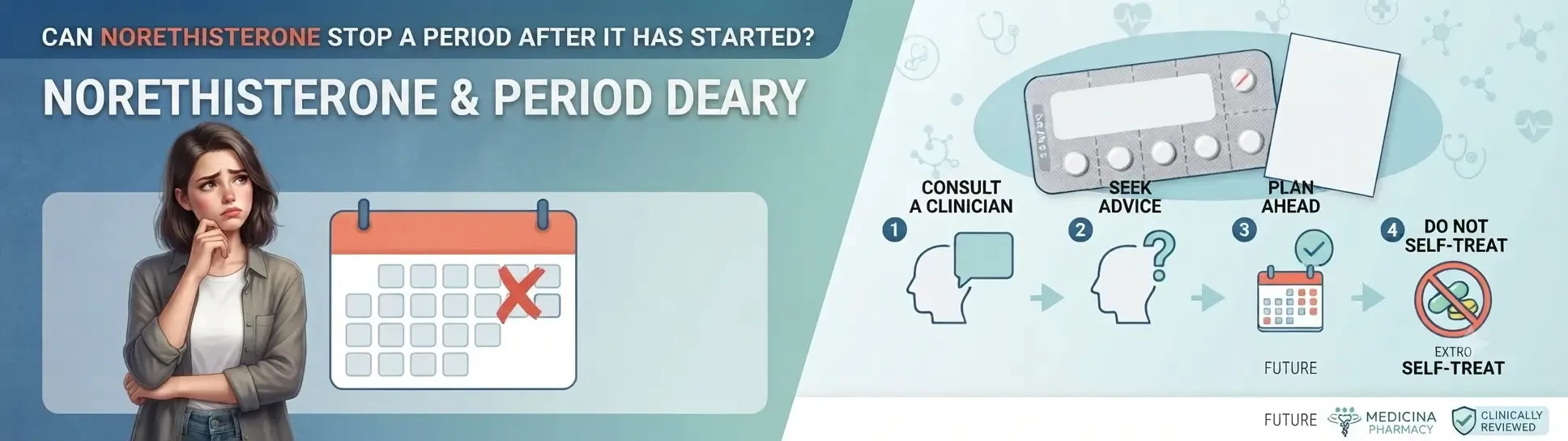
Norethisterone is designed to delay a period before it starts, not to stop bleeding once it has already begun. If your period has already started, norethisterone is unlikely to bring bleeding to an immediate halt and is not a reliable emergency solution for an ongoing flow.
The medicine works best when it is started at least three days before the expected period, because it supports the uterine lining during the days before menstruation would normally begin. Once a full menstrual bleed is under way, the mechanism that norethisterone relies on is no longer the same.
If you were hoping to use period delay treatment at short notice, it is worth understanding what the medicine can and cannot do before making a decision. You can review the current norethisterone 5mg treatment options or look at the broader period delay service for more context.
Why norethisterone works best before bleeding begins
Norethisterone 5mg is a progesterone-like medicine used in the UK to delay a period for a specific event or travel date. It is not a contraceptive and does not protect against pregnancy.
For period delay, the licensed approach is to start norethisterone 5mg at least three days before the expected period. The medicine is then usually taken three times daily until the event has passed or until it is acceptable for bleeding to return. This timing allows the medicine to maintain the uterine lining during the days when menstruation would otherwise start.
Because the medicine depends on timing, it works much less reliably once the period has already begun. The question "can norethisterone stop a period after it has started" therefore has a different answer depending on when the tablets are started, how heavy the flow is and what the prescriber considers appropriate.
If you want a fuller explanation of the usual timing, the separate norethisterone dosage to delay period guide is more suitable than this article.
What happens if you take norethisterone after your period has started?
If your period has already started and is following its usual pattern, taking norethisterone at that point is unlikely to stop the bleeding straight away. In some people, a small amount of early spotting might ease temporarily, but this is not the same as reliably stopping a full menstrual flow.
This is one of the most common misunderstandings about period delay treatment. The same applies to the idea of using norethisterone for emergency period delay once bleeding is established. It is not designed for that purpose.
If you need a clear answer about whether treatment is still worth starting after bleeding has begun, contact the prescribing service. A clinician can look at the timing, the reason for the request and your medical history rather than giving a general rule that may not suit your situation.
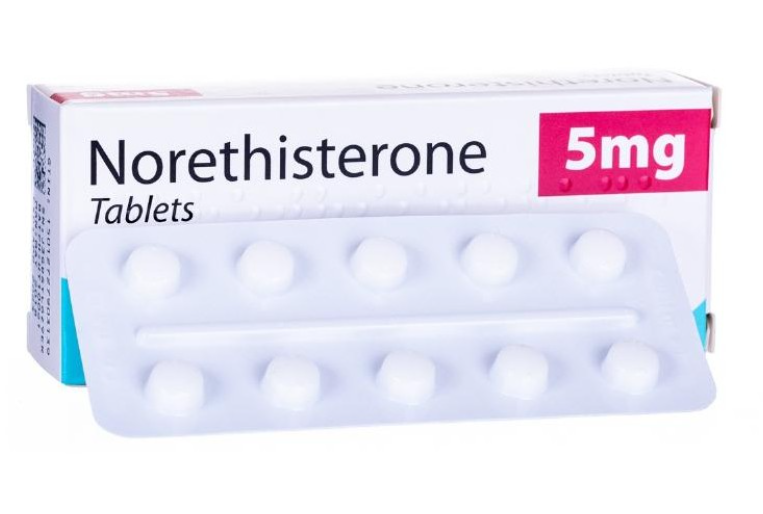
Why choose Medicina
Pharmacy?
Norethisterone 5mg Period Delay Tablets - 7 Day Delay (30 tablets)
Designed for delay before a period starts, not for stopping an ongoing bleed.
Lowest Price Guarantee
Includes FREE private prescriptionNo appointment needed • Confidential consultation • Cancel anytime
Receive it : Tomorrow
Order within : 24 hours
Spotting versus a full period flow
Some people notice light spotting while taking norethisterone. Spotting is not the same as a full period. It may happen in the early days of treatment or around the time when a bleed would normally occur, and it does not automatically mean the treatment has failed.
A normal menstrual period is usually heavier, lasts several days and follows a pattern the person recognises from previous cycles. Spotting, by contrast, tends to be much lighter and shorter.
Even so, any unexpected bleeding while using norethisterone should be reported to the prescriber, especially if it becomes heavier, continues for several days, or is accompanied by pain or other symptoms. The prescriber can then decide whether the bleeding is likely to settle, whether the medicine should be continued, or whether a different approach is needed.
Heavy bleeding is different from a normal period
Heavy menstrual bleeding is a different clinical situation from a routine period that needs delaying. Norethisterone is sometimes used for heavy periods in certain clinical contexts, but it is not automatically the best first-line choice for someone who presents with heavy bleeding alone.
If the main problem is that the bleeding is unusually heavy, prolonged or distressing, the priority should be a clinical review rather than self-starting a period-delay medicine. A prescriber can assess whether heavy bleeding treatment or investigation is more appropriate than norethisterone.
That distinction matters because the question "can norethisterone stop a heavy period" is not the same as the question about delaying a normal period. The two situations need different clinical thinking.
What to do if your period starts while taking norethisterone
If you start your period while taking norethisterone, follow these steps rather than trying to self-manage with extra tablets.
- Do not take extra tablets to try to stop the bleeding.
- Continue following the dispensing label and prescriber instructions unless told otherwise.
- Contact the prescribing service and explain when the bleeding started and how heavy it is.
- Record whether the bleeding is spotting, a light flow or a heavier menstrual bleed.
- Report any clots, dizziness, pain or symptoms that feel different from your usual period.
- Ask the prescriber whether to continue the current course, stop early or change the plan.
Can you stop a heavy period immediately with norethisterone?
No. Norethisterone is not a reliable way to stop an immediate heavy period. Once a heavy bleed is established, the medicine does not work quickly enough to act as an instant solution.
Heavy bleeding that requires soaking through a pad every hour for several hours, or that causes significant dizziness, weakness or faintness, needs urgent medical assessment. This is not a situation where self-starting norethisterone is appropriate.
The more sensible route is to seek clinical advice, especially if the bleeding pattern is new, worsening or different from what you usually experience. The norethisterone side effects guide also explains warning symptoms that should not be ignored.
What if you are already taking norethisterone and start bleeding?
Bleeding while you are already taking norethisterone can happen for different reasons. It may be early breakthrough bleeding, a sign that the timing is not ideal, or an indication that the medicine may not be the most suitable option for the situation.
The worst response is to take more tablets in the hope of forcing the bleeding to stop. That is not how the medicine works, and it can increase the risk of side effects without solving the underlying problem.
Contact the prescribing service, explain what has happened and follow the advice given. This is especially important if the bleeding is heavy, painful, prolonged or different from what you expected while using the medicine.
If you are also considering whether this type of treatment is worth repeating for future events, the broader article on best period delay tablets may help you compare options with professional support rather than guessing.
What to do about heavy bleeding or pain
Heavy bleeding or pain during a period is not always something that can be managed safely at home with norethisterone alone. If the bleeding pattern feels different, unusually heavy, prolonged or associated with clots, seek medical advice.
Important warning signs include weakness, dizziness, faintness, shortness of breath, bleeding that lasts longer than seven days, or soaking through pads very frequently. These symptoms need prompt clinical assessment rather than repeated self-medication.
Norethisterone may have a role in some clinical plans for heavy periods, but it should be part of a wider assessment rather than the only plan a person tries when the bleeding is clearly problematic.
Can norethisterone help with heavy bleeding in the future?
In some cases, norethisterone can be used for heavy menstrual bleeding, but it is not the only option. Other possibilities include hormonal coils, combined hormonal methods, tranexamic acid, NSAIDs or further investigations depending on the cause and the person's history.
Because the causes of heavy bleeding are varied, it is better to have a clinical review than to assume that period delay treatment is the same as treatment for heavy menstrual bleeding.
If you are thinking about future management, a consultation that looks at cycle pattern, severity, medical history and treatment goals is more useful than focusing only on whether norethisterone can stop a period that has already begun.
Is norethisterone suitable for you?
Norethisterone is not suitable for everyone. Important contraindications and precautions can include pregnancy, unexplained vaginal bleeding, blood-clot history, certain liver problems, migraine with aura, and some medicine interactions.
That is why an online assessment still matters. Completing a questionnaire does not guarantee approval, and a prescriber may ask further questions, recommend a different approach or decline treatment if the request is not clinically appropriate.
If you want to know more about access, Medicina's article on can you buy norethisterone over the counter explains the legal route. If timing is also part of your question, the guide on how long norethisterone takes to work is more focused on onset than this page.
Conclusion
The short answer is that norethisterone is designed to delay a period before it starts, not to stop an ongoing bleed once it has begun. If your period has already started, norethisterone is unlikely to halt the bleeding immediately and should not be treated as an emergency solution.
If you are hoping to use norethisterone for a future date, start the process early and use the medicine only as prescribed. If the period has already started, contact the prescribing service rather than guessing whether extra tablets will help.
The safest approach is always to review the current norethisterone treatment page, complete an honest consultation and follow the prescriber's advice. That process is more reliable than trying to self-manage heavy or ongoing bleeding with a medicine that is not intended for that purpose.
FAQs
Can norethisterone stop a period after it has started?
Norethisterone is designed to delay a period before it starts. If your period has already begun, the medicine is unlikely to stop the bleeding immediately. It is not a reliable emergency treatment for an ongoing period.
When should norethisterone be started to delay a period?
Norethisterone 5mg for period delay is normally started at least three days before the expected period. This timing allows the medicine to support the uterine lining and reduce the chance of early bleeding.
What if I start my period while taking norethisterone?
If you start your period while taking norethisterone, contact the prescribing service for advice. Do not take extra tablets to try to stop the bleeding. Continue following the dispensing label instructions unless the prescriber tells you to change them.
Can norethisterone make a heavy period lighter?
Norethisterone is not a standard first-line treatment for heavy menstrual bleeding. If bleeding is unusually heavy, prolonged or distressing, a clinical review is more appropriate than using a period-delay medicine in an attempt to reduce the flow.
Is spotting while taking norethisterone the same as a full period?
No. Light spotting can sometimes occur when using norethisterone, but it is not the same as a full menstrual period. Spotting does not automatically mean the treatment has failed, but you should still report ongoing bleeding to the prescriber.
Can I take more norethisterone tablets to stop my period once it starts?
No. Do not take extra tablets or change the dose without medical advice. Taking more than the prescribed amount does not guarantee that bleeding will stop and may increase the risk of side effects.
Should I take norethisterone during my period if it is very heavy?
Norethisterone is not routinely recommended for treating heavy bleeding that has already started. A healthcare professional can assess whether another treatment or investigation is more suitable.
What should I do if I miss a dose of norethisterone during my period?
Follow the dispensing label or patient information leaflet. If you are unsure, contact the pharmacy or prescriber rather than guessing. Missing doses can affect how well the treatment works.
Can norethisterone be used to manage future heavy periods?
Norethisterone can be prescribed for heavy menstrual bleeding in some situations, but it is not the only option. A clinical review can help determine whether a different hormonal treatment, tranexamic acid or another approach is more suitable.
When should I seek medical help for period bleeding?
Seek urgent medical advice if you soak through a pad every hour for several hours, pass large clots, feel dizzy or weak, or have bleeding that lasts longer than seven days. These symptoms need prompt clinical assessment.